

Toy Story 5 Review - The 35mm vs Digital Debate: What's Lost in Translation
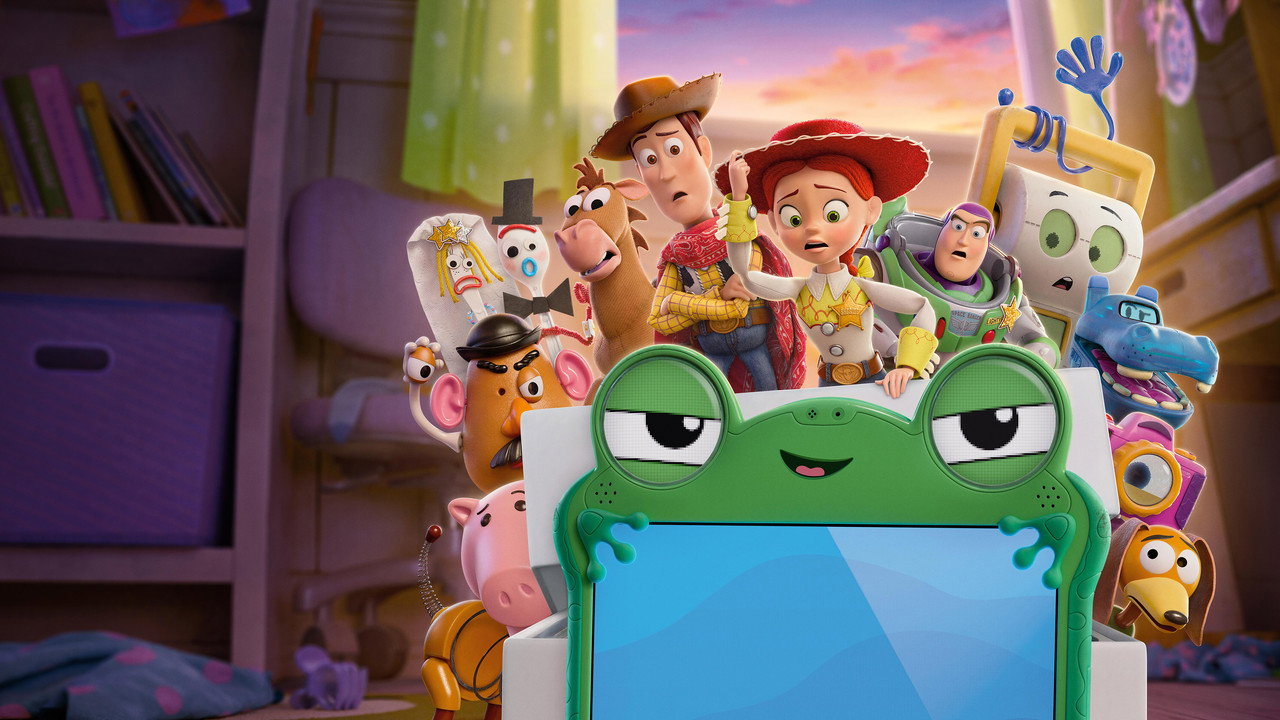
⏱️ 2 min read · 🌐 Trending
📺 Trailer: Toy Story 5 | Official Trailer | In Theaters June 19 · Pixar on YouTube
A Blast from the Past
You already know how this ends: with a nostalgic longing for the good old days of 35mm film. But what's interesting is how the recent success of "Toy Story 5" has sparked a debate about the visual presentation of the original film. As the movie reaches an $800 million milestone, fans are discussing whether the magic of the first "Toy Story" was lost in its digital remastering. I'm not surprised - who doesn't love a good "back in my day" story? But seriously, the discussion raises important questions about the role of technology in filmmaking and how it affects our emotional connection to the movies.
The Artistic Decision
According to Ralph Eggleston, the art director of "Toy Story," the decision to showcase the film in 35mm was a deliberate choice to enhance the visual presentation. In an interview with "Cinefantastique magazine," Eggleston shared that blues were desaturated to enhance vibrancy on film, which created the warm and vibrant visuals that many fans remember fondly. This approach was not just a technical requirement but an artistic decision that added to the film's charm. The 35mm version was also the base for the VHS home release, which many of us grew up with. It's no wonder that fans are nostalgic for the softer, grainy texture of the original film prints - it's a sensory experience that's hard to replicate with digital transfers.
The Digital Dilemma
Fast forward to today, and "Toy Story" is primarily viewed through digital transfers, like those available on Disney+. While these digital versions are sharper and cleaner, they lack the warmth and character of the original 35mm prints. One fan on social media noted that the grain and color of the 35mm version "mimic what we actually see with our eyes," which highlights the emotional connection we have with the film. It's not just about visual fidelity; it's about the memories and feelings that the movie evokes. As we move forward in the digital age, it's essential to consider what's lost in translation and what we can do to preserve the original vision of the filmmakers. If you're interested in exploring more, you can catch the original "Toy Story" on Disney+, and see for yourself how the digital transfer holds up against your memories of the 35mm version.
The Bigger Picture
The debate surrounding "Toy Story" is just a small part of a larger discussion about the role of technology in filmmaking. As animation and cinematic presentation continue to evolve, we're forced to confront the balance between art and technology. What should be prioritized - the filmmaker's original vision or the way viewers emotionally connect with the visuals? For many, the answer lies not in technology but in personal memory and the unique feelings that cinema invokes. As we look to the future, it's essential to consider the impact of digital creation on modern artistry and how it will shape the way we experience movies. So, the next time you watch "Toy Story" on Disney+, take a moment to appreciate the artistry and craftsmanship that went into creating the original 35mm prints - and see if you can spot the difference.
Sources & References
- Primary source: freeyork.org — Toy Story 5 Review - The 35mm vs Digital Debate: What's Lost in Translation
Facts are credited to the sources above. Images and trailers belong to their respective owners and are used for editorial commentary.
You may also like
Published by PracandyFlix — movies, series & streaming. Part of the Pracandy network.
Comments
Post a Comment
If you have any issue please share.
Thank You so much.